


Inclusive Practice
The Inclusive Practice SIG aims to facilitate discussion and the sharing of good practice around supporting staff and students to meaningfully engage with providing an inclusive environment for all in higher education.
The SIG focusses on recognising the complexities and nuances of inclusive practices, i.e. the intentional development of approaches that support all our students to thrive. The SIG focusses on developing an inclusive mindset which promotes critical thinking and cultural transformation.
Events are arranged according specific topics and could include things like: virtual coffee hours (to share, reassure and inspire), online workshops, and online writing retreats.
The SIG convenors invite members from professional services, academics and students who have a keen interest in improving student experience and outcomes with a focus on inclusive practices in HE. They also welcome those with experience and individuals looking to develop their understanding of the growing complexities and need for meaningful, effective and evolving inclusive practice.

Convenors
Dr. Hardeep Kaur Basra
De Montfort University
Email: hardeep.basra@dmu.ac.uk

Hardeep is an Associate Professor of Teaching and Learning and the Inclusive Education Lead at DMU, working within the DMU Education Academy. She has established herself as a nationally recognised advocate for inclusive and anti-racist pedagogies. Her transformational impact spans institutional culture change, academic development, strategic leadership, and staff development.
Hardeep's practice focusses on enriching the student experience, developing inclusive pedagogic environments, and driving forward institutional action/policy to address barriers.
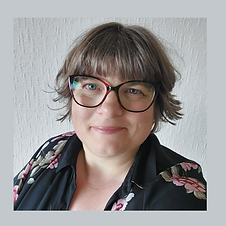
Claire Ashworth
Claire is a Principal Lecturer at The University of Lancashire Business School and a Doctoral Candidate (Doctorate in Education). She leads postgraduate curriculum and co‑chairs the university’s Staff Disability Network. Her doctoral research is partly autoethnographic, and is titled “Beyond Inclusion: Ecologies of Disability in Doctoral Spaces,”. She is examining lived experiences of disabled postgraduate research students in the UK.
Claire advocates for an inclusive university and champions curiosity, authenticity, and boldness.
University of Lancashire
Email: cashworth2@lancashire.ac.uk